Netflix has some amazing original content, and one of its best efforts thus far has been The Crown, a somewhat fictional series based on the reign of Elizabeth II. Written and produced by Peter Morgan, this series begins while Elizabeth is still a youngster, but when her father takes over for his brother (who abdicated the throne so he could be with his “commoner/divorcé” lover) Elizabeth becomes the heir to the throne. From that time period, her father grooms her to serve the people and the royal family, a/k/a The Crown. Seasons 1 and 2 feature Claire Foy as Elizabeth, and former “Dr. Who” Matt Smith is Prince Philip. Perhaps the best performance in this award winning season goes to John Lithgow as an aging Winston Churchill, who guides and yet admires the young monarch as she works to live up to the responsibility thrust upon her when her father dies at a fairly young age.
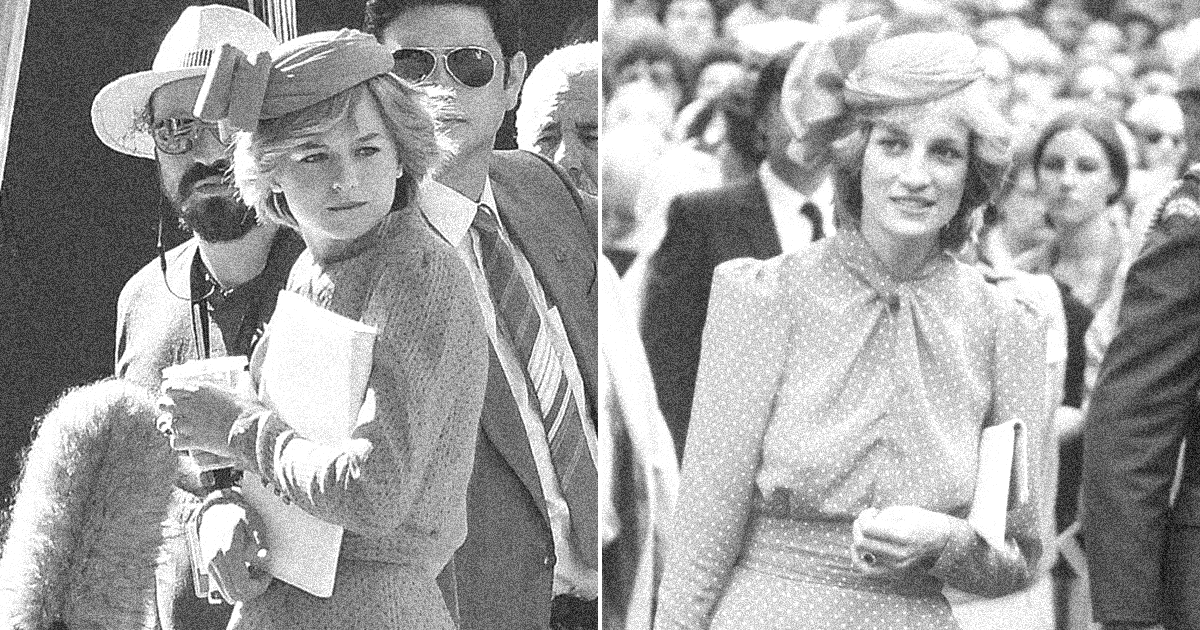
The Crown does a fantastic job of intertwining history and some suppostion, thus educating a new generation about some of the most important (or at least entertaining) events in United Kingdom in the past few decades. Each season spans several years, so the cast changes in order to better show the aging of the characters. For instance, while Claire Foy is Elizabeth in the first two seasons, the queen is portrayed by Olivia Coleman in seasons three and four. The latter dropped onto Netflix November 15, and Coleman does a really good job as the middle aged sovereign, as does Gillian Anderson as Margaret Thatcher. Another season four cast addition is Emma Corrin, who bears more than a passing resemblance to young Princess Diana. The series has been mostly been praised, but season four is a bit more controversial. Since this season portrays the “fairy tale romance” between Prince Charles and Diana, then quickly lays out the conflicted marital mess that ensued, because apparently Charles didn’t love Diana at all, but maintained his relationship with his former lover, Camilla Parker-Bowles, during most of the marriage, some viewers (and those close to the real people) have been a bit riled.
Of course, Prince Charles and Princess Diana separated then divorced, but younger fans apparently didn’t realize the “why” in the divorce until The Crown brought this back in a big way on the small screen. Recently, the social media accounts of Prince Charles and (now wife) Camilla have been inundated with snarky posts. Furthermore, officials in the U.K. have asked producers of The Crown to assure the public that the show is fictional.
History only works after the fact. Peter Morgan (series creator and chief writer) benefits from the many publications about the British royals, and is able to pick and choose what he presents to the audience in The Crown. Mostly the characterizations and storylines seem spot on, but those close to the royal family point to discrepancies, and no doubt some “fiction” does come in. Regardless of these points, The Crown has extraordinarily high production values. The cast is first rate, the scripts mostly entertaining; and the sets, costumes, and locations all contribute to the feeling of being an eyewitness to history. If you haven’t seen it yet, this series is one of the very best shows on Netflix.


 With the purchase of a new device from Apple comes a free subscription to their relatively new paid streaming platform. As hubby and I are often seeking a new television series to binge watch, we just finished
 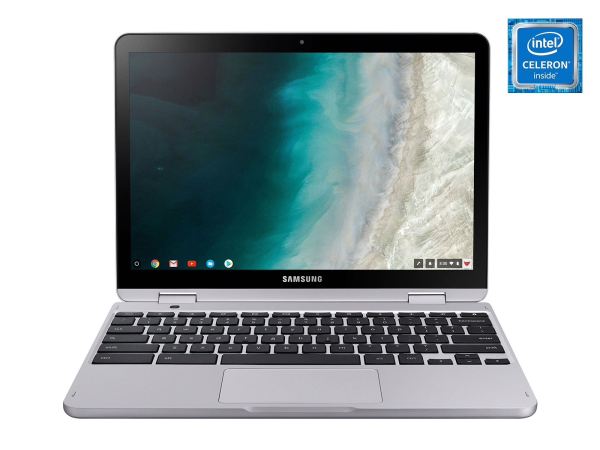 News organizations have truly embraced the old adage, “never let a crisis go to waste.” With every new pronouncement regarding the COVID-19 virus, the sky gets a bit closer to falling. Many of the public schools in my area have closed, but most of them are posting assignments online. Indeed, one of them has offered Chromebooks for check out if the family lacks a computer. This strikes me as a leap into the future of K-12 education.
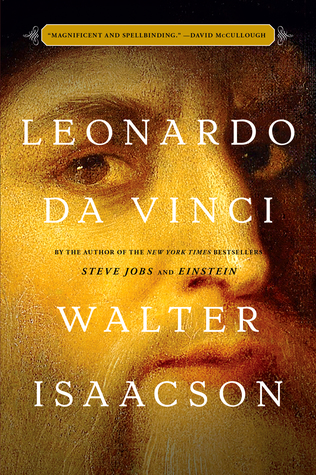 What to read? When I was young (a very long time ago) my mother took my sisters and me to visit the public library every week. This was “free” entertainment, and as we were fairly poor, it was a great deal. However, there was that day when I’d read everything of interest to me in the children’s and young readers category. Again, this was a long time ago, when “young adult” publications were not a big category. I remember her guiding me over to the adult fiction section (meaning not for kids, but nothing racy—it was a public library) and she suggested some titles. My first reads from that section were what mom would term “mysteries” although romantic suspense would be closer to the genre of that time. The authors were Phyllis A. Whitney and Mary Stewart, although I can’t remember the titles. So began my transition into reading for pleasure, an activity that is still a big part of my life.
 Visions and Revisions